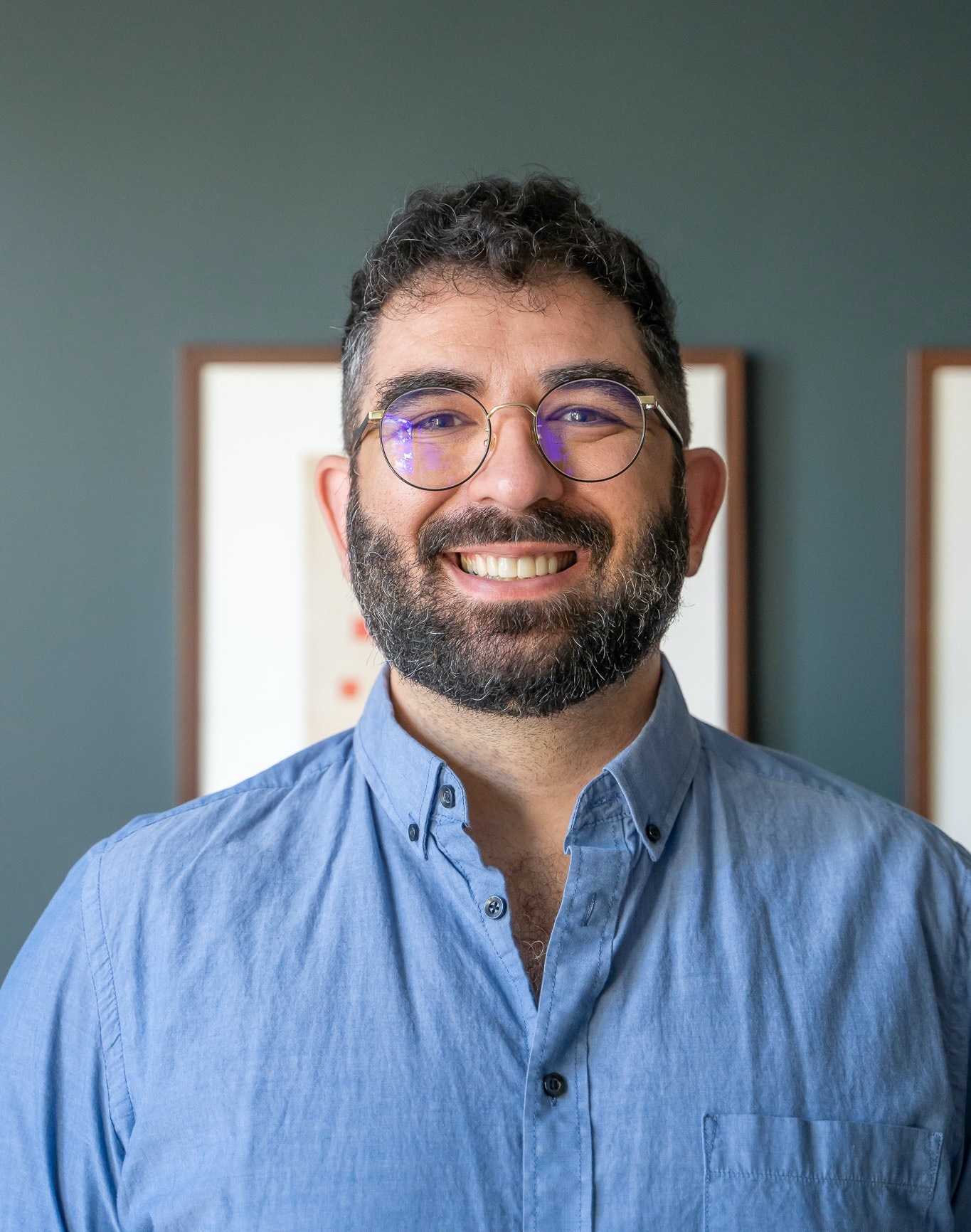
About Christopher
My work is grounded in existential-humanistic psychotherapy and informed by relational/systemic thinking. I integrate philosophical reflection with practical change, helping you identify patterns, develop insight, and build responses that hold up in real life. Many people arrive in therapy feeling overwhelmed, disconnected, or caught in cycles they can’t seem to shift, even when they understand them intellectually. My goal is to make the work both meaningful and usable: insight that translates into how you live, relate, and choose.
I’m the founder of A Life Examined, and I also serve as the Clinical Supervisor for our Associate therapists. Alongside my clinical practice, I hold a position as faculty and Program Chair for the MFT Division of The Chicago School in Anaheim. Teaching and supervising have shaped the way I think about therapy: it should be relationally safe, intellectually honest, and focused on helping people grow in ways that fit who they actually are, not who they think they’re supposed to be.
Culture and Context
As someone who is half-Persian, I hold culture as more than background, it’s part of how people learn what love looks like, what purpose is supposed to look like, what emotion is allowed to sound like, and what it means to be “good,” “loyal,” or “successful.” Culture and family systems shape the roles we carry, the boundaries we’re permitted to have, and the parts of ourselves we learned to keep private. Identity is rarely simple, and belonging is often negotiated.
In therapy, we make room for inheritance and becoming. We can honor what has mattered in your family and culture without forcing you to live inside expectations that no longer fit. Therapy becomes a place where you don’t have to translate yourself to be understood. The goal isn’t to pathologize where you come from, it’s to understand the system with enough clarity to choose what you want to keep, what you want to change, and how you want to live now.
“Clarity is not the end of the work, it is the beginning of choice.”
Experience and Perspective
My experience as a psychotherapist includes community mental health, inpatient care, and private practice. I bring that breadth into a steady, collaborative therapeutic relationship, one where you don’t have to perform or translate yourself to be understood.
My Approach
Existential therapy makes room for the deeper questions that often sit beneath symptoms: meaning, identity, freedom, responsibility, grief, mortality, and connection. A relational/systemic lens keeps us grounded in the reality that most suffering is shaped and maintained within contexts such as family systems, attachment patterns, cultural expectations, and relational dynamics. In practice, we often work with:
- repeating internal loops (self-criticism, anxiety, avoidance, emotional shutdown)
- repeating relational loops (conflict cycles, distance, mistrust, overfunctioning/underfunctioning)
- transitions that require reorientation (loss, burnout, identity shifts, changing relationships)
- exploring life and existence (who we are, what we want, how we exist in the world)
What You Can Expect
Patients often describe my style as warm, direct, and thoughtful. In our work, we’ll identify what keeps repeating, clarify what it costs, and practice change in concrete areas (communication, boundaries, coping, and repair) while staying connected to the deeper question of who you are and how you want to live. My work is affirming of neurodiversity, sexuality, and identity, and I aim to approach each person with respect for their lived experience and the complexity of the systems they move through.